
As a sole trader, understanding the right insurance is essential to protect your business, personal assets, and income. Choosing the best coverage can be confusing, especially with options like public liability insurance, professional indemnity, and business equipment protection. Knowing what insurance do I need as a sole trader ensures you stay safe from unexpected risks and financial losses.
Many sole traders overlook critical policies that could save them from costly claims or legal issues. From liability coverage to income protection and business insurance tailored for small businesses, having the right plan helps you focus on growth and peace of mind. This guide will break down essential insurance types for sole traders and explain how to select the perfect coverage for your needs.
What Insurance Do I Need as a Sole Trader?
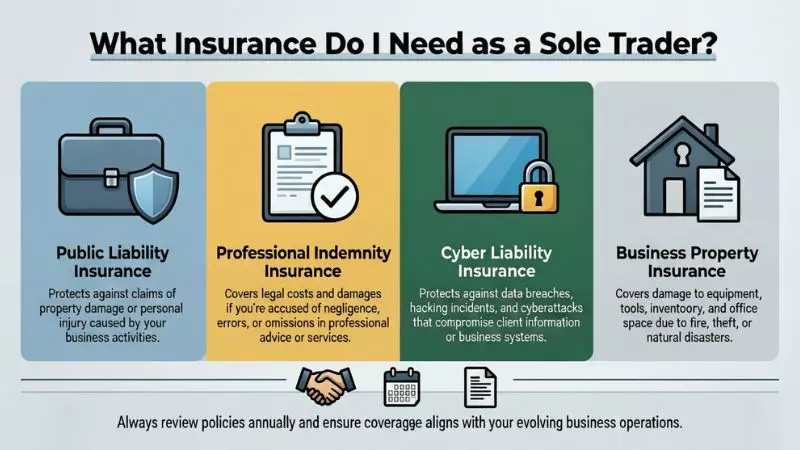
As a sole trader, protecting your business and personal finances should be a top priority. Unlike larger companies, sole traders carry full responsibility for their business operations, meaning that unexpected accidents, legal claims, or equipment damage could directly impact your personal savings.
Understanding what insurance do I need as a sole trader helps you reduce financial risks and maintain peace of mind.
Insurance for sole traders covers various aspects of your business, from liability claims to professional mistakes. By choosing the right policies, you safeguard your business continuity, comply with legal requirements, and protect yourself from unforeseen challenges.
Key benefits of having the right insurance:
- Protects personal assets from business risks
- Covers legal costs for disputes or claims
- Ensures income continuity in case of accidents or illness
- Enhances credibility with clients and partners
What insurance does a sole trader legally need?
In most countries, sole traders are not legally required to have insurance, but certain sectors may have mandatory coverage. For example, if your work involves client visits or professional advice, insurance could be required by law or contract.
Key types of legally necessary insurance (depending on location and industry):
- Employers’ liability insurance if you hire staff
- Professional indemnity for regulated professions
- Public liability for specific sectors like construction, events, or childcare
Even if your sector does not demand it by law, some contracts or clients may require proof of insurance before engaging your services.
Having the right coverage ensures you comply with professional standards and avoid fines or contract issues.
Is insurance mandatory for sole traders?
Insurance is usually not mandatory for most sole traders, but opting out can be risky. Without proper coverage, you could face financial loss if:
- A client sues for negligence or damages
- Business equipment is stolen or damaged
- A health emergency prevents you from working
Recommended approach:
- Review your industry requirements to identify mandatory policies
- Assess your personal and business risk exposure
- Select insurance that covers both legal obligations and business-specific risks
What business insurance do I need as a sole trader?
Sole traders often need a mix of policies to cover different aspects of their business. Essential business insurance options include:
Core business insurance for sole traders:
- Public liability insurance: Protects against claims from clients or the public for injury or property damage
- Professional indemnity insurance: Covers legal costs if a client claims financial loss due to your advice or services
- Business equipment insurance: Covers tools, technology, or stock from theft, loss, or damage
- Income protection insurance: Provides income support if illness or injury prevents you from working
Table: Key Business Insurance for Sole Traders
| Insurance Type | Purpose | Typical Cost Range | Recommended For |
| Public Liability | Client or third-party injury/property damage | $50-$200/year | All client-facing businesses |
| Professional Indemnity | Legal costs for professional mistakes | $100-$500/year | Consultants, advisors, freelancers |
| Business Equipment Insurance | Covers tools, computers, and stock | $100-$600/year | Tradespeople, IT, creative services |
| Income Protection | Covers lost income due to illness/injury | $200-$800/year | Solo traders with limited savings |
This combination ensures that your business is financially secure and compliant with industry expectations.
What kind of insurance do sole traders usually get?
While mandatory insurance is limited, most sole traders invest in policies that reduce everyday business risks. Common insurance types include:
- Public liability insurance for client-facing interactions
- Professional indemnity for consultancy or advice-based businesses
- Business contents insurance for expensive tools or stock
- Income protection to secure finances in case of illness
- Cyber liability insurance for online businesses handling sensitive client data
Additional considerations:
- Legal expenses insurance for disputes or contracts
- Health insurance if self-funding medical expenses
- Vehicle insurance if using a personal vehicle for business purposes
Choosing policies depends on your business activities, client contracts, and risk appetite.
What type of insurance do I need as a sole trader?
To determine the exact type of insurance you need, consider the following factors:
- Nature of your work – Are you providing advice, handling physical goods, or visiting clients?
- Client expectations – Some clients require proof of professional indemnity or public liability insurance
- Financial exposure – Evaluate how much personal savings you could lose in a worst-case scenario
- Regulatory requirements – Certain professions and industries may have mandatory coverage
Practical guide for selecting insurance:
- Step 1: List all risks your business faces
- Step 2: Match each risk with available insurance types
- Step 3: Compare policies based on coverage, cost, and claims process
- Step 4: Update coverage annually as your business grows
By taking this structured approach, you ensure your business is protected, professional, and ready to thrive without unexpected financial setbacks.
🇦🇺 AUSTRALIA STRUCTURE
Sole Trader Insurance Requirements in Australia
Operating as a sole trader in Australia comes with unique responsibilities, including understanding which insurance policies protect your business and personal finances. While not all insurance is legally compulsory, having the right coverage ensures you are safeguarded against financial loss, legal claims, and unexpected accidents.
Knowing the sole trader insurance requirements in Australia helps you make informed decisions for your business growth.
Insurance for Australian sole traders typically covers liability, professional mistakes, income protection, and business equipment. Choosing suitable policies reduces financial stress, helps meet client expectations, and ensures compliance with industry standards.
What insurance do I need as a sole trader in Australia?
Most Australian sole traders benefit from a combination of the following insurance types:
- Public liability insurance: Covers third-party injury or property damage
- Professional indemnity insurance: Protects against claims arising from professional advice or services
- Business equipment insurance: Covers tools, technology, or stock from theft, loss, or damage
- Income protection insurance: Provides financial support if illness or injury prevents you from working
Tips for selecting insurance:
- Assess the risks specific to your industry
- Check if your clients or contracts require particular coverage
- Compare policies online for cost, claims, and coverage
Is insurance compulsory for sole traders in Australia?
Insurance is not legally required for all sole traders in Australia, but some industries have mandatory coverage:
- Employers’ liability insurance if hiring staff
- Professional indemnity insurance for certain regulated professions
- Public liability insurance may be contractually required for client-facing services
Even if insurance is not compulsory, having the right coverage protects personal assets and ensures business continuity in case of unexpected events.
Sole trader insurance requirements in NSW
In New South Wales, regulations may differ depending on your business type. Key points:
- Public liability insurance is highly recommended for client interactions
- Professional indemnity insurance is mandatory for certain professions such as architects, lawyers, and financial advisors
- Workers’ compensation is required if employing staff
NSW-specific tips:
- Check the NSW Fair Trading website for industry-specific requirements
- Some local councils require proof of insurance for permits or licenses
Sole trader insurance requirements in QLD
Queensland sole traders should consider:
- Public liability for businesses that interact with the public
- Professional indemnity for consulting, financial services, or advice-based roles
- Workers’ compensation if hiring staff
QLD insights:
- Insurance requirements can vary based on local regulations and council permits
- Certain sectors like construction or healthcare may have additional mandatory coverage
Sole trader insurance requirements in WA
In Western Australia:
- Public liability insurance is recommended for any client-facing business
- Professional indemnity is compulsory for regulated professions
- Workers’ compensation insurance is required if you employ anyone
Pro tip for WA sole traders:
- Check SafeWork WA guidelines to ensure compliance with occupational health and safety requirements
- Review industry-specific recommendations to avoid legal penalties
Best & Cheap Options
Finding affordable yet comprehensive insurance is possible if you compare providers and coverage. Balancing cost and protection is key for sole traders starting out.
Best sole trader insurance in Australia
Top insurance providers with strong coverage and reliability:
| Provider | Key Coverage | Best For |
| AAMI | Public liability, business equipment | Trades, consultants |
| Allianz | Professional indemnity, liability | Consultants, advisors |
| QBE | Income protection, equipment | Small business owners |
| NRMA | Combined business insurance | All sectors |
Why these are recommended:
- Comprehensive protection against common risks
- Easy claims process
- Good customer support
Cheap sole trader insurance options in Australia
Affordable options for cost-conscious sole traders include:
- Budget Direct Business Insurance: Basic coverage for liability and equipment
- Youi Business Insurance: Flexible plans for freelancers and tradespeople
- Hiscox Small Business Insurance: Professional indemnity at competitive rates
Tips to save on insurance:
- Bundle multiple policies with one provider
- Review coverage annually to avoid overpaying
- Opt for higher excess to reduce premiums
🇬🇧 UK STRUCTURE
Sole Trader Insurance Requirements in the UK
Running a business as a sole trader in the UK comes with responsibilities to protect your income, assets, and clients. While not all insurance is legally mandatory, understanding the requirements helps you avoid financial risk and stay compliant with UK regulations.
Knowing what insurance do I need as a sole trader in the UK ensures your business is covered for unexpected events and professional challenges.
Choosing the right insurance safeguards your personal finances, builds credibility with clients, and ensures business continuity. Sole traders commonly invest in liability, professional indemnity, income protection, and equipment coverage to protect against everyday risks.
What insurance do I need as a sole trader in the UK?
Most UK sole traders benefit from the following types of insurance:
- Public liability insurance: Covers claims for injury or property damage caused to clients or third parties
- Professional indemnity insurance: Protects against financial loss from mistakes or negligent advice
- Employer’s liability insurance: Required if you hire employees
- Income protection insurance: Provides financial support if you cannot work due to illness or injury
- Business equipment insurance: Covers tools, stock, and technology from theft or damage
Tips for selecting the right insurance:
- Evaluate the risks specific to your trade or sector
- Check client contracts for required coverage
- Compare policies online for cost, coverage, and claim handling
Is public liability insurance required for sole traders in the UK?
Public liability insurance is not legally compulsory for all sole traders in the UK. However, it is highly recommended for businesses that interact with clients or the public. Many clients, landlords, or suppliers may insist on proof of public liability insurance before working with you.
Benefits of having public liability insurance:
- Protects personal savings from legal claims
- Covers legal and court costs for third-party injuries or property damage
- Enhances business credibility with clients and partners
What insurance is legally required for UK sole traders?
In the UK, the only insurance that may be legally required depends on your business activities:
- Employer’s liability insurance: Mandatory if you hire staff, even on a part-time basis
- Motor insurance: Required if using a vehicle for business purposes
- Professional indemnity insurance: Legally necessary for regulated professions like accountants, architects, or financial advisors
Table: Legal vs Recommended Insurance for UK Sole Traders
| Insurance Type | Legal Requirement? | Recommended For |
| Public liability | Not compulsory | All client-facing sole traders |
| Professional indemnity | Compulsory for regulated professions | Consultants, advisors, freelancers |
| Employer’s liability | Mandatory if hiring staff | Businesses with employees |
| Income protection | Optional | All sole traders seeking financial security |
| Business equipment insurance | Optional | Tradespeople, IT services, creatives |
Even if not legally required, having recommended insurance provides peace of mind, protects your personal savings, and ensures business continuity.
What Insurance Do I Need as a Sole Trader by Profession?
Insurance requirements for sole traders vary depending on the type of work you do. Different professions face unique risks, from accidents on-site to professional liability or damage to client property. Understanding the insurance needs for your specific profession ensures your business is protected, compliant, and financially secure.
Investing in the right insurance not only safeguards your income but also builds credibility with clients. By tailoring coverage to your profession, you reduce financial risk, avoid costly legal disputes, and focus on growing your business confidently.
Sole trader carpenter insurance requirements
Carpenters face risks related to tools, machinery, and client property. Essential insurance includes:
- Public liability insurance: Covers injuries or property damage on client sites
- Tools and equipment insurance: Protects expensive tools from theft, loss, or damage
- Income protection insurance: Provides coverage if illness or injury prevents work
- Professional indemnity (optional): Covers claims for poor workmanship
Sole trader electrician insurance requirements
Electricians have specific liabilities due to electrical work. Recommended coverage:
- Public liability insurance: Protects against injuries or damages to clients
- Professional indemnity insurance: Covers claims from faulty advice or work
- Tools and equipment insurance: Covers theft or damage of electrical tools
- Employers’ liability insurance: Required if hiring assistants
Sole trader builder insurance requirements
Builders face risks on construction sites including accidents, property damage, and legal claims:
- Public liability insurance: Essential for on-site accidents
- Professional indemnity insurance: Covers mistakes in planning or design
- Contract works insurance: Protects materials and ongoing projects
- Income protection insurance: Supports loss of income due to injury
Sole trader cleaner insurance requirements
Cleaners may work in client homes or offices, exposing them to liability:
- Public liability insurance: Protects against client injuries or property damage
- Contents insurance: Covers cleaning equipment
- Professional indemnity insurance: Optional, for claims of negligence
- Income protection: Useful for illness or injury
Sole trader gardener insurance requirements
Gardeners face risks from tools, plants, and client property:
- Public liability insurance: Essential for injury or property damage
- Tools and equipment insurance: Covers gardening tools and machinery
- Professional indemnity insurance: Optional for advice on landscaping projects
- Income protection insurance: Provides security if unable to work
Sole trader support worker insurance requirements
Support workers interact with vulnerable clients, requiring specialized coverage:
- Public liability insurance: Covers accidents during client care
- Professional indemnity insurance: Protects against claims of professional negligence
- Income protection insurance: Financial security if unable to work
- Contents insurance: Covers work-related equipment
Sole trader disability support worker insurance needs
Disability support workers need comprehensive protection due to the high-risk nature of care:
- Public liability insurance: Covers injuries to clients or third parties
- Professional indemnity insurance: Protects against claims of negligence or errors
- Income protection insurance: Ensures financial stability during illness or injury
- Employer’s liability insurance: Required if hiring assistants
- Contents insurance: Covers mobility aids, care equipment, or devices
Table: Insurance Requirements by Profession
| Profession | Essential Insurance | Optional / Recommended Insurance |
| Carpenter | Public liability, Tools & equipment, Income protection | Professional indemnity |
| Electrician | Public liability, Professional indemnity, Tools | Employers’ liability |
| Builder | Public liability, Professional indemnity, Contract works | Income protection |
| Cleaner | Public liability, Contents, Income protection | Professional indemnity |
| Gardener | Public liability, Tools & equipment, Income protection | Professional indemnity |
| Support worker | Public liability, Professional indemnity, Income protection | Contents insurance |
| Disability support worker | Public liability, Professional indemnity, Income protection, Employer’s liability | Contents insurance |
How Much Does Sole Trader Insurance Cost?
Understanding the cost of sole trader insurance is essential to budgeting for your business. Prices vary depending on industry, coverage level, and location. Knowing the average costs and factors affecting pricing helps you choose policies that are both comprehensive and affordable.
Investing in the right insurance ensures protection against financial loss, legal claims, and unexpected incidents. While it may seem like an extra expense, the security it provides is invaluable for business continuity.
Average cost of sole trader insurance
The cost of insurance for sole traders depends on the type and level of coverage. Here are some average ranges for common policies:
- Public liability insurance: $50 – $300 per year
- Professional indemnity insurance: $100 – $600 per year
- Income protection insurance: $200 – $1,000 per year
- Business equipment insurance: $100 – $500 per year
Example: A freelance graphic designer might pay around $250 annually for combined public liability and professional indemnity insurance.
A builder or tradesperson with tools may pay upwards of $800 per year due to higher risks.
What affects sole trader insurance pricing?
Several factors influence how much insurance costs:
- Industry type: High-risk professions like builders or electricians pay more
- Coverage limits: Higher coverage limits increase premiums
- Claims history: Previous insurance claims can raise costs
- Business location: Urban areas may have higher premiums due to increased liability risk
- Number of clients or employees: More people or higher client interaction can increase risk
Understanding these factors helps you choose cost-effective policies without compromising protection.
Cheap Sole Trader Insurance Options
Finding affordable insurance doesn’t mean sacrificing coverage. With careful research, sole traders can secure policies that protect their business without overspending.
How to find cheap sole trader insurance
Tips to get affordable insurance:
- Compare multiple providers online using insurance comparison websites
- Bundle policies such as public liability and professional indemnity with one provider
- Increase your policy excess to lower premiums
- Review annual coverage to avoid paying for unneeded policies
- Look for industry-specific offers tailored for your profession
Is cheap sole trader insurance worth it?
While lower-cost policies can be attractive, they may not cover all potential risks. Consider the following:
- Pros: Affordable upfront cost, budget-friendly for new businesses
- Cons: Limited coverage, exclusions, slower claims handling, and potential gaps in protection
Recommendation: Balance cost and coverage. Cheap insurance can be suitable if it covers your main risks, but always review the fine print to avoid surprises.
Public Liability Insurance for Sole Traders
Public liability insurance is one of the most critical policies for sole traders, especially those interacting with clients or the public. It protects against claims for injury or property damage caused by your business activities.
Public liability insurance sole trader comparison
Table: Comparison of Public Liability Insurance Options
| Provider | Coverage Limit | Average Cost per Year | Best For |
| AAMI | $5 million | $100 – $250 | Tradespeople, small businesses |
| Allianz | $2 – $10 million | $150 – $400 | Consultants, advisors |
| Hiscox | $1 – $5 million | $80 – $300 | Freelancers, creatives |
| Budget Direct | $1 – $5 million | $50 – $200 | Small businesses, startups |
How much public liability insurance do sole traders need?
The required coverage depends on your business activities and risk exposure:
- Low-risk professions: $1 – $2 million (e.g., online services, consultants)
- Medium-risk professions: $2 – $5 million (e.g., cleaners, gardeners)
- High-risk professions: $5 – $10 million (e.g., builders, electricians)
Tips for selecting coverage:
- Assess the potential financial impact of an accident or claim
- Consider client or contract requirements for insurance limits
- Review your coverage annually as your business grows
Types of Insurance Sole Traders May Need
Sole traders face unique risks because personal and business finances are often intertwined. Understanding the types of insurance available helps protect your income, assets, and clients while maintaining business continuity. By selecting the right policies, you reduce financial risk, avoid legal complications, and build credibility with clients.
Most sole traders benefit from a combination of liability, professional, and income protection policies. Each type covers different risks, so tailoring coverage to your profession and business activities is essential.
Public liability insurance explained
Public liability insurance protects your business if a client or member of the public is injured or their property is damaged as a result of your business activities. This is one of the most common and recommended policies for sole traders.
Key points:
- Covers legal fees and compensation claims
- Essential for client-facing businesses, tradespeople, and service providers
- Often required by clients or contractors
Table: Public Liability Coverage Examples
| Business Type | Suggested Coverage Limit | Why It’s Needed |
| Cleaner | $1 – $2 million | Protects against property damage or injury during cleaning |
| Carpenter | $2 – $5 million | Covers accidents on client sites or property damage |
| Consultant / Freelancer | $1 – $2 million | Covers claims arising from in-person meetings or events |
Professional indemnity insurance for sole traders
Professional indemnity insurance (PI) protects against financial losses a client suffers due to your advice, services, or professional mistakes. It is especially relevant for consultants, advisors, freelancers, and other service-based sole traders.
Benefits:
- Covers legal fees and compensation claims
- Protects your reputation and business continuity
- Often required for professional contracts
Who should get it:
- Accountants, architects, IT consultants, marketing professionals
- Freelancers providing advice or specialized services
Personal accident insurance for sole traders
Personal accident insurance provides financial support if you suffer an accident that prevents you from working temporarily or permanently. It can cover medical costs, rehabilitation, or loss of income.
Key features:
- Lump sum or regular payments for accidents
- Optional add-ons for disability or long-term care
- Protects personal income if unable to work
Ideal for:
- Tradespeople and professionals with high physical risk
- Those without sufficient savings for emergencies
Income protection insurance for sole traders
Income protection insurance ensures you continue receiving a portion of your income if illness or injury prevents you from working. Unlike personal accident insurance, it typically covers a wider range of conditions and can provide long-term support.
Key advantages:
- Pays a percentage of your usual income (usually 60-75%)
- Can continue for months or years depending on the policy
- Protects personal finances and allows continued living expenses
Consider if:
- You rely solely on business income to support yourself
- You want a safety net against illness, injury, or long-term absence
Frequently Asked Questions
What insurance do I need as a sole trader?
You need coverage that protects your business, income, and clients, including public liability, professional indemnity, and income protection insurance.
Is insurance mandatory for sole traders?
Most insurance is not legally required, but certain professions or clients may demand public liability or professional indemnity coverage.
How much does sole trader insurance cost?
Costs vary by profession and coverage, typically ranging from $50 to $1,000 per year depending on policy type and risk level.
Do I need public liability insurance as a sole trader?
If your business interacts with clients or the public, public liability insurance is highly recommended to cover accidents or property damage.
Should I get professional indemnity insurance as a sole trader?
Yes, if you provide advice or services, professional indemnity insurance protects against financial losses from mistakes or claims.
Is income protection insurance necessary for sole traders?
Income protection insurance is optional but helps cover living costs if illness or injury prevents you from working.
What insurance do sole traders in trades need?
Tradespeople like builders, electricians, or carpenters usually require public liability, tools insurance, and income protection due to higher on-site risks.
Can I combine multiple insurance policies as a sole trader?
Yes, bundling public liability, professional indemnity, and equipment coverage often reduces cost and ensures comprehensive protection.
Last Thoughts
Sole traders face unique risks since personal and business finances are closely linked. Choosing the right insurance safeguards your income, protects your clients, and provides peace of mind. From public liability to professional indemnity and income protection, understanding what insurance do I need as a sole trader helps you avoid costly mistakes and ensures your business remains secure.
Investing in suitable coverage enhances credibility with clients, reduces financial risk, and allows you to focus on growing your business. Prioritize policies tailored to your profession and risk exposure to stay protected against unforeseen challenges while maintaining long-term business stability.

Chriselle Lim is a passionate digital creator and lifestyle blogger based in California, USA. As the voice behind Blogzeno, she shares creative captions, inspiring Instagram bios, insightful celebrity stories, and simple insurance guides designed for everyday readers. Emily believes that words have the power to connect people whether it’s through a perfect caption or a helpful article.
With years of experience in online writing and content strategy, Emily’s mission is to make information both useful and enjoyable. Her work blends creativity with clarity, helping readers express themselves confidently and stay informed about what truly matters.
When she’s not writing, you’ll find her exploring photography, social media trends, and new ways to inspire digital creators worldwide. Follow her journey on Blogzeno — where creativity meets everyday life.