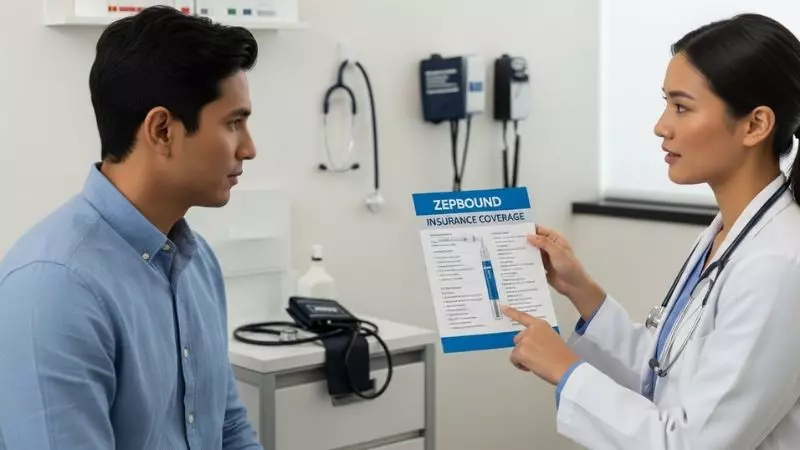
What Insurance Covers Zepbound is a common question for people exploring weight loss medication coverage in the United States. Many health insurance plans may cover Zepbound depending on your policy type, medical necessity, and obesity treatment benefits.
Coverage often varies between private insurance, employer-sponsored plans, and prescription drug formularies. Understanding prior authorization rules, copay costs, and eligibility criteria can help you determine if Zepbound is included in your insurance coverage.
Does Insurance Cover Zepbound?

Insurance coverage for Zepbound varies significantly depending on the type of plan, medical condition, and whether the insurer includes obesity or weight management medications in their formulary. Some plans may cover Zepbound if it is prescribed for medically necessary conditions, such as sleep apnea or weight-related health risks.
Understanding your plan’s prescription coverage, prior authorization requirements, and out-of-pocket costs is key to determining whether Zepbound will be covered.
What insurance covers Zepbound
Zepbound may be covered by some commercial and private insurance plans, but approval typically depends on meeting specific criteria. Most insurers require prior authorization and documentation of medical necessity.
Key points:
- Coverage varies by insurance company and plan.
- Prior authorization is often required.
- Insurers may require proof of obesity-related health conditions.
- Copay and deductible costs depend on the plan.
What health insurance covers Zepbound
Health insurance that includes prescription drug benefits may cover Zepbound if the plan supports obesity treatment. Coverage is more likely if the medication is prescribed for FDA-approved conditions or serious weight-related health issues.
Tips:
- Check if your plan has obesity management benefits.
- Ensure your doctor provides detailed documentation.
- Confirm formulary inclusion before filling the prescription.
What prescription insurance covers Zepbound
Prescription insurance coverage focuses specifically on whether the medication is included in the plan’s drug formulary.
Checklist:
- Confirm Zepbound is listed on the formulary.
- Submit prior authorization if required.
- Provide supporting medical documentation for eligibility.
- Prepare for potential copay or coinsurance.
What medical insurance covers Zepbound
Medical insurance that combines health and prescription coverage may cover Zepbound when prescribed for medical conditions related to obesity.
Qualifying conditions often include:
- Obstructive sleep apnea with obesity
- Cardiovascular complications related to excess weight
- Other serious weight-related health conditions
Approval is typically based on documentation from a healthcare provider demonstrating medical necessity.
What private insurance covers Zepbound
Private insurance plans may cover Zepbound, though coverage is highly variable and depends on plan type and benefits.
Potential coverage by private insurers:
| Insurer Type | Coverage Possibility | Notes |
| Private Employer Plans | Possible | Requires prior authorization |
| Individual Private Plans | Possible | Depends on formulary inclusion |
| PPO/ HMO Plans | Varies | Medical necessity documentation needed |
Coverage approval usually requires prior authorization and verification of medical necessity.
What commercial insurance covers Zepbound
Commercial insurance, including employer-sponsored plans, may provide coverage for Zepbound if the plan includes weight management medications.
Highlights:
- Prior authorization is commonly required.
- Coverage is dependent on the plan’s formulary.
- Costs and approval vary by employer and insurer.
What marketplace insurance covers Zepbound
Most ACA Marketplace insurance plans rarely cover Zepbound because weight-loss medications are typically excluded from standard formularies.
Key points:
- Only select marketplace plans may provide coverage.
- Prior authorization is almost always required.
- Coverage is limited and varies by state and plan type.
What federal insurance covers Zepbound
Federal insurance programs include Medicare, Medicaid, TRICARE, and VA plans. Coverage depends on the program and specific circumstances.
Coverage overview:
| Federal Program | Coverage Possibility | Notes |
| Medicare | Very limited | Coverage possible only for specific medical conditions |
| Medicaid | Varies by state | Some states include Zepbound coverage |
| TRICARE | Possible | Requires prior authorization |
| VA Plans | Possible | Based on plan rules and medical necessity |
What federal health insurance covers Zepbound
Federal health insurance programs may provide coverage in limited cases, usually when Zepbound is prescribed for a medically necessary condition beyond weight loss. Prior authorization and physician documentation are required.
Important points:
- Coverage is rare under standard federal health plans.
- Approval often depends on FDA-approved medical indications.
- Documentation of medical necessity increases chances of coverage.
What Medicare insurance covers Zepbound
Medicare generally does not cover Zepbound for weight management under Part D or Part B. However, certain Medicare Advantage plans may approve coverage if the medication is prescribed for medically necessary conditions such as obstructive sleep apnea.
Tips for Medicare beneficiaries:
- Check whether your Part D plan includes Zepbound in the formulary.
- Ensure your physician provides detailed medical documentation.
- Prior authorization is typically required for approval.
Insurance Coverage by Health Condition
Insurance coverage for Zepbound often depends on the specific health condition it is prescribed for. While some insurers provide coverage for medically necessary treatments, approval is typically based on prior authorization, plan type, and documented health risks. Understanding which conditions are more likely to be approved can help you navigate the insurance process effectively.
What insurance covers Zepbound for weight loss
Coverage for Zepbound specifically for weight loss is limited, as many plans do not consider weight loss alone a covered medical necessity. However, some private and employer-sponsored plans may approve coverage if the patient meets certain BMI thresholds or has related health risks.
Key factors for coverage:
- BMI criteria as defined by the insurer
- Documentation of failed prior weight management interventions
- Presence of weight-related health conditions
Tips for patients:
- Ask your insurer if Zepbound is included under obesity or weight management medications.
- Provide medical records to support BMI and health risk criteria.
What health insurance covers Zepbound for weight loss
Health insurance plans that include obesity treatment coverage may approve Zepbound for weight loss, though approval is not guaranteed.
Coverage insights:
- Employer-sponsored plans with prescription drug benefits are more likely to cover.
- Health insurance plans that allow prior authorization for weight management medications may include Zepbound.
- Coverage may include reduced copays once prior approval is obtained.
What insurance covers Zepbound for obesity
Obesity is a medically recognized condition, and insurers are more likely to cover Zepbound when prescribed to treat obesity and related complications.
Eligibility checklist:
- BMI of 30 or higher, or 27+ with comorbidities
- Documentation of weight-related health risks such as diabetes or hypertension
- Prior authorization submitted by a licensed physician
Possible coverage by plan type:
| Insurance Type | Coverage Likelihood | Notes |
| Private Insurance | Moderate | Requires prior authorization and medical records |
| Employer Plans | Moderate | Coverage depends on obesity benefit inclusion |
| Commercial Insurance | Variable | Some plans may approve based on health risk documentation |
What insurance covers Zepbound for sleep apnea
Zepbound may be more readily covered by insurers if prescribed for obstructive sleep apnea (OSA) associated with obesity. Plans may approve coverage when documentation shows that weight loss is medically necessary to manage OSA.
Coverage considerations:
- Prior authorization is almost always required.
- Documentation must demonstrate the link between weight and sleep apnea severity.
- Insurers often require previous failed treatment attempts before approving coverage.
Tips:
- Provide sleep study results or physician documentation to support medical necessity.
- Coverage approval may be faster under employer-sponsored or commercial plans.
What insurance covers Zepbound for PCOS
Polycystic Ovary Syndrome (PCOS) can lead to weight gain and insulin resistance, making Zepbound potentially medically necessary. Coverage depends on whether the insurer recognizes weight management for PCOS as a reimbursable condition.
Key factors for coverage:
- Documentation of PCOS diagnosis from a healthcare provider
- Evidence of weight-related complications or insulin resistance
- Prior authorization and medical necessity letters are typically required
Insurance coverage summary for PCOS:
| Insurance Type | Coverage Possibility | Notes |
| Private Insurance | Possible | Must document PCOS and related health risks |
| Employer Plans | Moderate | Coverage varies by plan’s obesity management benefits |
| Commercial Plans | Variable | Prior authorization often required |
Coverage by Country / State
Insurance coverage for Zepbound varies significantly depending on your country or state. In the United States, coverage is influenced by the type of health plan, state regulations, and whether weight management medications are included in the plan formulary. Understanding regional differences can help patients maximize their chances of insurance approval.
What insurance covers Zepbound in USA
In the USA, Zepbound coverage is primarily determined by the type of insurance you have, such as private insurance, employer-sponsored plans, or federal programs. Coverage is not guaranteed and often requires prior authorization.
Key points:
- Private and commercial insurance may cover Zepbound if medical necessity is proven.
- Federal programs like Medicare and Medicaid have limited or state-specific coverage.
- Coverage is more likely for medically necessary conditions such as obesity, sleep apnea, or PCOS.
Tips:
- Always check your plan formulary before seeking treatment.
- Prior authorization and physician documentation are usually required.
What insurance covers Zepbound in Florida
Florida residents may face unique coverage challenges because insurance policies vary by provider and state regulations.
Coverage insights:
- Commercial insurance plans may cover Zepbound with prior authorization.
- Employer-sponsored plans in Florida are more likely to include weight management medications.
- State Medicaid programs may have limited or conditional coverage.
Recommended steps for Florida patients:
- Verify if Zepbound is on your plan’s formulary.
- Submit all required medical documentation to demonstrate medical necessity.
- Consult your physician for supporting letters to improve approval chances.
What insurance covers Zepbound in Texas
Texas has a mix of commercial, private, and Medicaid plans, and Zepbound coverage may differ widely between plans.
Important points for Texas patients:
- Commercial and employer plans may approve Zepbound for obesity or sleep apnea.
- Texas Medicaid may offer coverage only in select cases and often requires prior authorization.
- Patients with private insurance should request coverage verification from their insurer before starting treatment.
Coverage checklist:
- Confirm plan formulary inclusion.
- Gather medical records showing obesity or related conditions.
- Submit prior authorization requests through your healthcare provider.
What insurance covers Zepbound in Michigan
Michigan offers coverage options through private insurance, employer plans, and Medicaid, though formulary restrictions still apply.
Coverage overview for Michigan patients:
- Private insurers and employer plans may provide coverage with prior authorization.
- Michigan Medicaid may cover Zepbound only for specific medical conditions such as obesity-related sleep apnea.
- Approval depends on documented medical necessity and sometimes prior treatment history.
Tips:
- Contact your insurer to confirm coverage before starting Zepbound.
- Ensure all required medical documentation is submitted promptly.
Coverage by Year / Policy Updates
Insurance coverage for Zepbound is evolving as more weight management medications gain FDA approval and insurers update their formularies. Policies may differ year by year depending on prior authorizations, clinical guidelines, and medical necessity requirements. Staying informed about updates ensures patients maximize their coverage.
What insurance covers Zepbound 2025
In 2025, coverage for Zepbound was limited but growing. Many commercial and private insurance plans required prior authorization and medical documentation for approval. Coverage was primarily for obesity, sleep apnea, or related conditions rather than general weight loss.
Key points for 2025:
- Most ACA marketplace plans did not cover Zepbound.
- Private and employer-sponsored plans increasingly added coverage for medically necessary conditions.
- Prior authorization and physician documentation were required for approval.
Coverage summary (2025):
| Insurance Type | Coverage Likelihood | Notes |
| Private Insurance | Moderate | Requires prior authorization |
| Employer-Sponsored | Moderate | Coverage depends on obesity or medical necessity benefits |
| Federal Programs | Limited | Coverage varies by Medicare/Medicaid rules |
What insurance covers Zepbound in 2026
In 2026, coverage for Zepbound is expected to expand slightly as more insurers recognize GLP-1 weight management drugs for obesity and related conditions. Newer guidelines and policy updates may allow broader coverage under employer-sponsored and commercial plans.
Key trends for 2026:
- Slight increase in private plan coverage for medically necessary cases.
- Prior authorization remains mandatory in most cases.
- Federal and marketplace plans continue to be restrictive.
Actionable advice:
- Review your 2026 plan formulary early.
- Obtain a physician letter documenting medical necessity.
- Check if your plan requires prior weight-loss attempts before approval.
How to Get Zepbound Covered
Getting Zepbound covered by insurance often requires proactive steps, documentation, and knowledge of your insurance plan’s rules.
Step-by-step guide:
- Verify plan formulary: Confirm if Zepbound is included under prescription coverage.
- Consult your physician: Obtain medical documentation supporting obesity, sleep apnea, PCOS, or other relevant conditions.
- Submit prior authorization (PA): Most plans require PA for Zepbound approval.
- Track approval process: Contact the insurer for updates and provide any additional information promptly.
- Appeal if denied: If your initial request is denied, file an appeal with supporting medical documentation.
How to get Zepbound covered by insurance online
Many insurance providers allow online submission for prior authorization and coverage verification.
Steps to get coverage online:
- Log into your insurance provider’s portal.
- Check if Zepbound is listed in your plan’s formulary.
- Upload medical documentation and prior authorization requests electronically.
- Use online messaging or chat to follow up with your insurer.
- Keep a copy of all submissions and confirmations for your records.
Tips:
- Online submissions can speed up approval compared to paper forms.
- Ensure all required fields and documents are complete to avoid delays.
Community Insights / Social Proof
Many patients share their experiences with Zepbound coverage online. Community feedback can provide practical insights into approval rates, insurer responsiveness, and common challenges.
What insurance covers Zepbound Reddit
Reddit discussions indicate:
- Coverage is most commonly approved through private or employer-sponsored plans with prior authorization.
- Many users report initial denials but successful approval after providing detailed medical documentation.
- Federal and marketplace coverage is less common, with exceptions only for specific medical conditions.
Community tips from Reddit users:
- Always request a prior authorization letter from your physician.
- Document BMI, sleep apnea, or PCOS conditions clearly.
- Consider contacting your insurer’s customer service for coverage guidance before filling your prescription.
Final Words
Understanding What Insurance Covers Zepbound is essential for anyone considering this medication for weight management or related health conditions. Coverage depends on your insurance type, medical necessity, and prior authorization requirements. Private, employer-sponsored, and some federal plans may approve Zepbound for obesity, sleep apnea, or PCOS, while marketplace coverage remains limited.
Always verify your plan formulary and submit complete documentation to improve approval chances. Being proactive and informed ensures smoother access and reduces out-of-pocket costs.
Frequently Asked Questions
What insurance plans cover Zepbound?
Most private, commercial, and employer-sponsored insurance plans may cover Zepbound if it is prescribed for medically necessary conditions like obesity, sleep apnea, or PCOS.
Does Medicare cover Zepbound?
Medicare generally does not cover Zepbound for weight management, but certain Medicare Advantage plans may approve it for specific medical conditions with prior authorization.
Does Medicaid cover Zepbound?
Medicaid coverage for Zepbound varies by state, with some state programs approving it for obesity-related conditions and others restricting coverage.
How can I get Zepbound covered by insurance?
To get coverage, confirm formulary inclusion, submit prior authorization, and provide documentation of medical necessity from your healthcare provider.
Is Zepbound covered by marketplace insurance?
Most ACA marketplace plans do not cover Zepbound, though a few plans may approve it if prescribed for severe obesity or related health conditions.
What private insurance companies cover Zepbound?
Private insurers like Aetna, Cigna, UnitedHealthcare, and Blue Cross may cover Zepbound when prior authorization is approved and medical necessity is documented.

Chriselle Lim is a passionate digital creator and lifestyle blogger based in California, USA. As the voice behind Blogzeno, she shares creative captions, inspiring Instagram bios, insightful celebrity stories, and simple insurance guides designed for everyday readers. Emily believes that words have the power to connect people whether it’s through a perfect caption or a helpful article.
With years of experience in online writing and content strategy, Emily’s mission is to make information both useful and enjoyable. Her work blends creativity with clarity, helping readers express themselves confidently and stay informed about what truly matters.
When she’s not writing, you’ll find her exploring photography, social media trends, and new ways to inspire digital creators worldwide. Follow her journey on Blogzeno — where creativity meets everyday life.